
Music copyright theft is when someone uses your song without permission, copies your lyrics, samples your track without a license, or claims your work as their own. If that happened to you, legal action may be an option, but it usually comes after you confirm ownership, save solid proof, and try the right non-court steps first.
That order matters because a rushed claim can weaken your case, while a clear paper trail can help protect your rights. This guide gives general information, not legal advice, and copyright laws can vary by country, so let’s start with what to do before you file a claim.
Make sure you have a strong copyright claim before you sue
Before you file a lawsuit, make sure you have an actual copyright claim, not just a bad feeling. In music disputes, people often mix up copying, influence, licensing, and shared ownership. Those are not the same thing, and the difference can decide whether your case moves forward or falls apart.
Start with three checks. First, confirm what you own. Next, confirm what was used. Then confirm whether the other party may have a license or legal defense, such as fair use. If you skip those steps, you can end up suing over rights you do not control, or over a use that the law may allow.
Know what part of the music was copied
A song can contain more than one copyright. That matters because your claim depends on which protected part was taken.
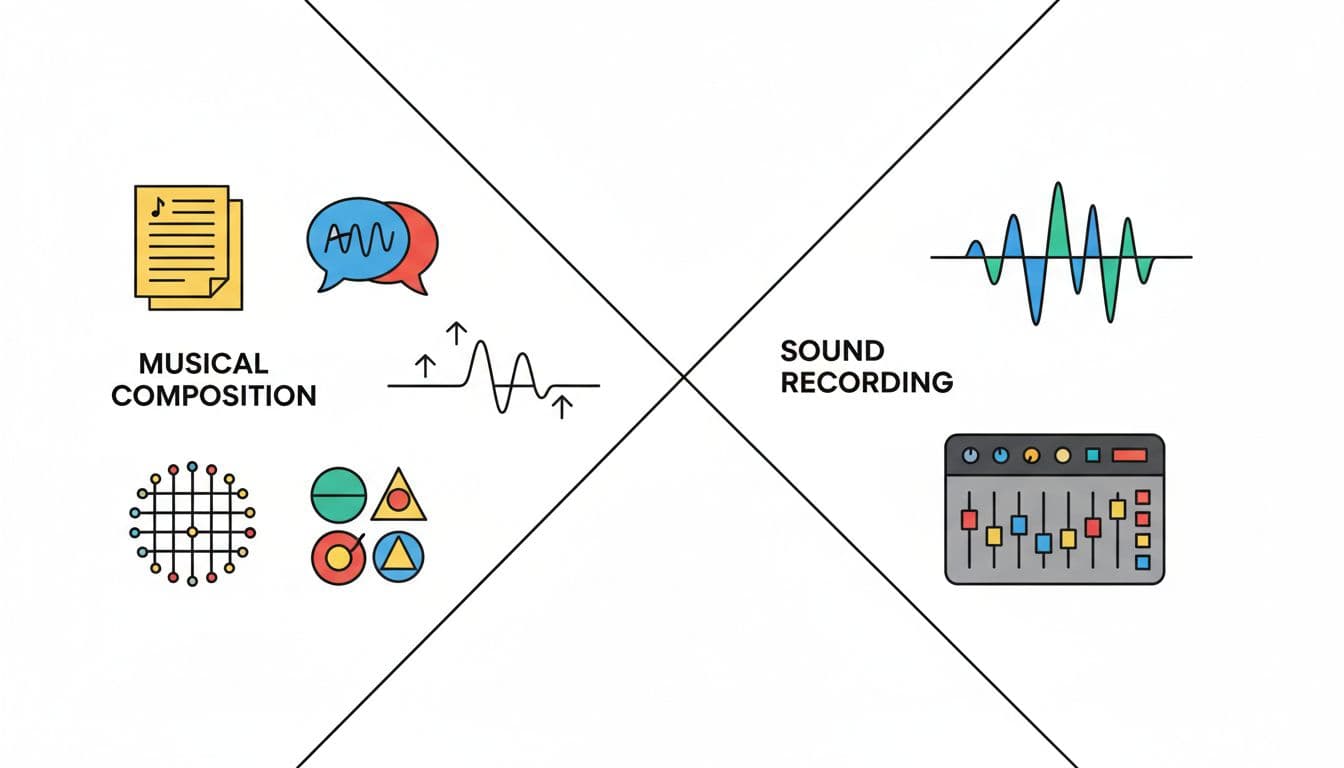
The two big buckets are:
- Musical composition, which covers the underlying song, such as melody, lyrics, chord structure, and written musical parts.
- Sound recording, which covers the specific recorded performance, often called the master.
That split causes a lot of confusion. You might own the song but not the master. A label may own the master while you and your co-writers own the composition. A producer may also have points or ownership rights, depending on your deal. Because of that, naming the wrong rights holder can weaken your case fast.
Some parts are easier to claim than others. Lyrics and melody often sit at the center of composition claims because they are more distinct. A beat may be protected in some cases, but a generic drum pattern usually is not enough by itself. A claim gets stronger when the copied part is original and recognizable, not just common building blocks of music.
You also need to ask whether the other use was allowed. For example, did someone get a sample license, interpolation license, or written permission? If yes, the dispute may be about contract terms, not theft. And if the use was for commentary, parody, teaching, or news, the other side may raise fair use. Fair use is fact-specific, so never assume it applies, but never ignore it either.
If you cannot point to the exact protected material that was copied, your claim is still blurry.
Gather proof that you created the work first
Once you know what part was copied, build a record that shows you made it first and that you own the right to complain. Courts, lawyers, platforms, and insurers all care about dates, ownership, and clean documentation.

Good proof usually comes from everyday work materials, not dramatic “gotcha” evidence. Useful records include:
- Dated session files from your DAW
- Early drafts of lyrics, chords, or toplines
- Exported stems and bounce files
- Emails or messages that show file sharing and dates
- File metadata tied to creation or edit history
- Signed split sheets
- Copyright registration records
- Public release dates
- Contracts with co-writers, producers, publishers, or labels
- Credible witnesses who saw the work being made
A simple comparison helps sort out who may control what:
| Right or asset | What it covers | Who may own it |
|---|---|---|
| Musical composition | Melody, lyrics, chord structure, written song elements | Songwriter, co-writers, publisher |
| Sound recording | The actual recorded track, the master | Artist, label, producer, investor |
| Shared interests | Percent splits, royalty rights, approvals | Co-writers, producers, publishers, labels |
Clean records matter because music rights are often shared. If you wrote the hook with two co-writers, you may not own 100 percent of the song. If a label funded and released the track, you may not own the master. And if a producer contract gave away part of the recording rights, that has to be addressed before you sue.
Keep your files organized in one place, with dates intact and names that make sense. A messy folder can turn a strong claim into a long argument about authenticity. Clear records, on the other hand, help your lawyer assess ownership, show priority, and spot weak points before the other side does.
Take the key steps that can stop the theft without going to court
Court is not always the first move, and in many music copyright disputes, it should not be. Fast, well-documented action can stop the spread, cut off revenue, and show that you took the infringement seriously from the start.
Before you contact anyone, preserve the proof. Save screenshots, copy the full URLs, note the account names, and record the date you found the use. If the track is earning money, capture any visible stream counts, sales pages, ad placements, or pricing. Also save the audio or video file if you can do so lawfully. That paper trail helps whether you send a demand, file a takedown, or later speak with a lawyer.
Send a clear cease and desist letter
A cease and desist letter is often the first direct warning. It tells the other party what they used, why you believe you own it, and what you want them to do next. Sometimes that alone gets a song removed, a post deleted, or a license conversation started.

Keep the letter calm and specific. Angry threats can backfire, but a vague note usually gets ignored. Your letter should cover the basics in plain English:
- Your name and contact details.
- The song or recording you own, with dates and any registration details.
- Where the infringement appears, including links, usernames, upload dates, and screenshots.
- What use you object to, such as an unlicensed upload, sample, repost, sync, or sale.
- What you want done, for example removal, credit correction, payment, an accounting, or a stop to future use.
- A response deadline, often short but reasonable.
If you have split sheets, release records, session files, or registration certificates, mention them. You do not need to attach every document at once, but you should be ready to back up each claim. In addition, keep a copy of the letter and proof that you sent it.
Many artists hire a lawyer for this step because the wording matters. Still, some start with a simple written demand, especially when the theft is obvious and the goal is quick removal. If you do that, stick to facts and avoid claims you cannot prove.
A good cease and desist letter is less about drama and more about creating a record.
If the music is distributed through an aggregator or label service, contact that company too. Distributors can sometimes freeze releases, flag ownership disputes, or point you to the right abuse channel. That can slow the damage while the claim is reviewed.
Use DMCA takedowns and platform reporting tools
If the stolen music is online, platform tools are often the fastest way to contain it. You can usually report infringement on YouTube, TikTok, Instagram, Spotify, Apple Music, Bandcamp, and many piracy sites. Each service has its own form, rules, and proof requirements, so read the instructions before you submit anything.

Most reports ask for the same core facts. You will usually need to identify your work, show where the infringing copy appears, and confirm that your claim is truthful. Because false claims can create serious problems, only report uses you have checked carefully. A bad takedown can expose you to disputes, account issues, or legal pushback.
Act fast, but stay organized. It helps to track every report in one place, such as a simple spreadsheet with:
- The platform name
- The infringing URL
- The date filed
- The case number
- The response you received
- Whether the content came down
Streaming theft also runs through middlemen. If a stolen track appears on Spotify or Apple Music, contact the distributor that delivered it. If it shows up on Bandcamp or a piracy site, report the listing and save the page before it disappears. Meanwhile, keep copies of screenshots, post captions, artist profiles, and any visible revenue clues. Those details can matter later if the dispute turns into a payment claim or a lawsuit.
Some platforms remove content fast. Others ask for more proof or allow counter-notices. Either way, a clean report with strong documentation gives you the best shot at getting the music down before the damage grows.
Understand when a copyright lawyer and a lawsuit make sense
Sometimes a takedown works. Sometimes a cease and desist letter gets ignored, the track stays up, and the money keeps flowing. That is usually the point where you should stop guessing and speak with an entertainment lawyer or copyright lawyer, especially if the use is widespread, commercial, or tied to a label, publisher, distributor, or major platform account.
A lawyer can help you decide whether the harm is serious enough to escalate. In plain terms, they will look at what was copied, who owns the rights, how strong your proof is, how much money may be at stake, and whether a lawsuit is even available right now. They can also spot problems early, like split ownership, missing paperwork, license defenses, or fair use arguments that could weaken your case.

A lawsuit often makes more sense when the infringement is causing real damage, such as:
- lost licensing income or streaming revenue
- harm to your release, brand, or credits
- repeat infringement after notice
- refusal to remove the music or negotiate
- a clear profit-making use by the other side
That does not mean every strong claim belongs in court. Litigation takes time, money, and patience. Still, when the theft is ongoing or the dollars are no longer small, getting legal advice early can save you from costly mistakes.
Why copyright registration can change your legal options
In the United States, copyright registration often changes what you can do next. As a rule, you usually need to register the work with the U.S. Copyright Office before you can file a copyright lawsuit in court. Ownership can exist before registration, but filing suit is often a different step with its own requirements.
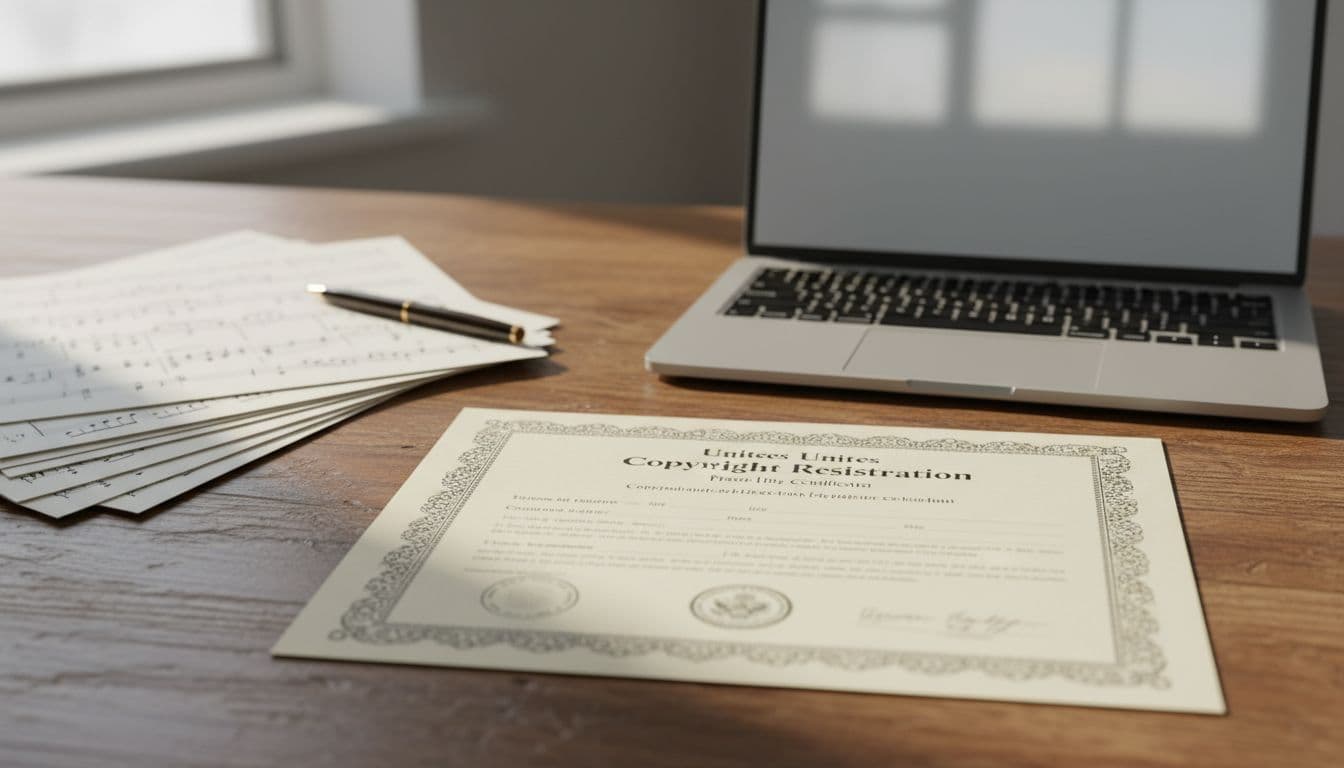
Timing also matters. If your registration was filed early enough, it may affect whether you can ask for statutory damages and attorney’s fees. Statutory damages are money set by law, rather than only proving your exact losses dollar by dollar. Attorney’s fees means the court may, in some cases, order the other side to pay some of your legal costs. Without timely registration, your options may narrow to actual financial harm and the infringer’s profits, which can be harder to prove.
Because the rules can turn on dates, publication status, and the type of work, this is one area where details matter. A lawyer will usually review:
- the registration status of the composition and the sound recording
- when the work was first published or released
- whether the registration was filed before or after the infringement
- who is named as author and claimant
- whether co-writers, producers, publishers, or labels must be involved
In many cases, registration is not just paperwork. It is the key that opens the courthouse door.
Rules can change, and your facts matter, so verify the current law with a qualified copyright lawyer before you file anything.
What you may be able to recover in a lawsuit
If a lawsuit moves forward, the goal is not only to prove copying. It is also to get a remedy, which means the legal fix a court can order. The right remedy depends on the facts, your registration status, and the proof you can show.
Some remedies stop the harm. Others focus on money. In plain language, you may be able to seek:
- An injunction, which is a court order to stop the use, remove the work, or block future infringement.
- Actual damages, which means money for what you lost, such as unpaid license fees, lost sales, or missed deals.
- The infringer’s profits, if they earned money from your music and those earnings are tied to the infringement.
- Statutory damages, where available, which are set by law and may help when exact losses are hard to measure.
- Credit correction or related relief, if the dispute includes false attribution or missing credit.
- Attorney’s fees and costs in some cases, often tied to registration timing and court discretion.
A lawyer will also look at the practical side. For example, winning on paper does not always mean easy collection. If the other side has no money, hides revenue, or sits overseas, the case may be harder to enforce. On the other hand, if a distributor, label, brand, or profitable creator is involved, a lawsuit may have more weight and a better chance of recovery.
The strongest cases usually combine three things: clear ownership, clear copying, and clear harm. When those line up, a lawyer can tell you whether a settlement push is smarter, or whether filing suit is worth the cost.

- THE RECONCILIATION OF UPPER SOKPONBA AXIS MUSICIANS - July 15, 2026
- testt - April 29, 2026