
One leaked song can move across the internet in hours. That hurts musicians, songwriters, producers, labels, and indie creators because every copy can cut into income and control.
Piracy now spreads through streaming rips, file-sharing sites, private groups, and fake download pages that look almost real. Once a track gets loose, it can appear everywhere before your team spots it.
That doesn’t mean you’re helpless. The best defense against music piracy starts before release day, then continues with smart access, steady monitoring, and fast takedowns.
Build stronger protection into your music release plan
Piracy prevention starts long before the public hears a single note. If your release plan is messy, bad actors get more room to move.
Use copyright registration, metadata, and contracts to prove ownership
When someone uploads your music without permission, proof matters. Clear records help you act fast, and they also stop ownership fights inside your own team.
Register songs and sound recordings where it applies in your market. Keep split sheets signed, store publishing details in one place, and assign ISRC codes correctly. Also, make sure your metadata matches across files, distribution platforms, and internal records. A wrong writer credit or missing code can slow down a takedown.
Organize everything in a simple folder system. Keep final masters, session dates, agreements, and artwork approvals together. When piracy hits, clean paperwork can save days of back-and-forth.

Choose trusted distributors and digital security tools
Your distributor can do more than deliver tracks. The right partner can help flag fake uploads, manage rights, and support takedown requests when trouble starts.
Look for platforms with content identification tools, release controls, and solid reporting. Watermarking can also help with promo copies, private listening links, and unreleased files sent to press or collaborators. If a leak appears, you have a better chance of tracing where it came from.
Secure file sharing matters too. Don’t send unreleased masters through loose download links that anyone can forward. Use password-protected systems, limited-access folders, and expiration settings for previews.
Piracy is easier to fight when ownership is easy to prove.
Make it harder for pirates, and easier for fans to listen legally
Many fans don’t go looking for illegal copies first. They do it when the legal option feels slow, confusing, or overpriced.
Release music where your audience already listens
Wide and timely access lowers piracy risk. If your music isn’t available on the platforms fans use every day, someone else may fill that gap with a ripped copy.
Put releases on major streaming services, but don’t stop there. Direct-to-fan stores, artist websites, and mobile-friendly listening options also matter. Some listeners want downloads, while others want instant streaming on a phone. Give both groups a simple path.
Regional access matters as well. If a song is live in one country but blocked in another, fans in the missing market may turn to pirate sites within minutes. The same problem shows up when release dates drift or links break on launch day. A clear, consistent rollout cuts that risk. /////

Price fairly and give fans reasons to support the real release
Convenience wins, but value helps. If legal access feels fair and rewarding, fans have less reason to chase shady links.
That doesn’t mean everything must be cheap. It means the offer should make sense. A standard stream, a fair download price, and a few thoughtful extras can go a long way. Bonus tracks, early access, limited merch bundles, and fan club perks give people something pirate copies can’t match.
Connection matters too. Fans are more likely to support an artist when they feel close to the work and trust the source. A real artist page, clear links, and direct updates make the official release feel safer and worth choosing.
Monitor piracy early and respond before it spreads
Even the best release plan won’t stop every illegal upload. After launch, the job shifts from prevention to quick response.
Track unauthorized uploads across platforms and search results
Start with the places where copies spread fast. Check video sites, social platforms, audio hosts, torrent indexes, forums, messaging groups, and search results for your song title, artist name, and common misspellings.
Manual checks still help, especially during the first few days after release. Set alerts for track names, album titles, and phrases tied to download searches. If you have the budget, anti-piracy services can scan at scale and catch copies you might miss.
Speed matters because search engines and social feeds reward early traction. A leak that sits untouched for a week can spread like spilled ink. A leak found in the first few hours is easier to contain. ////////
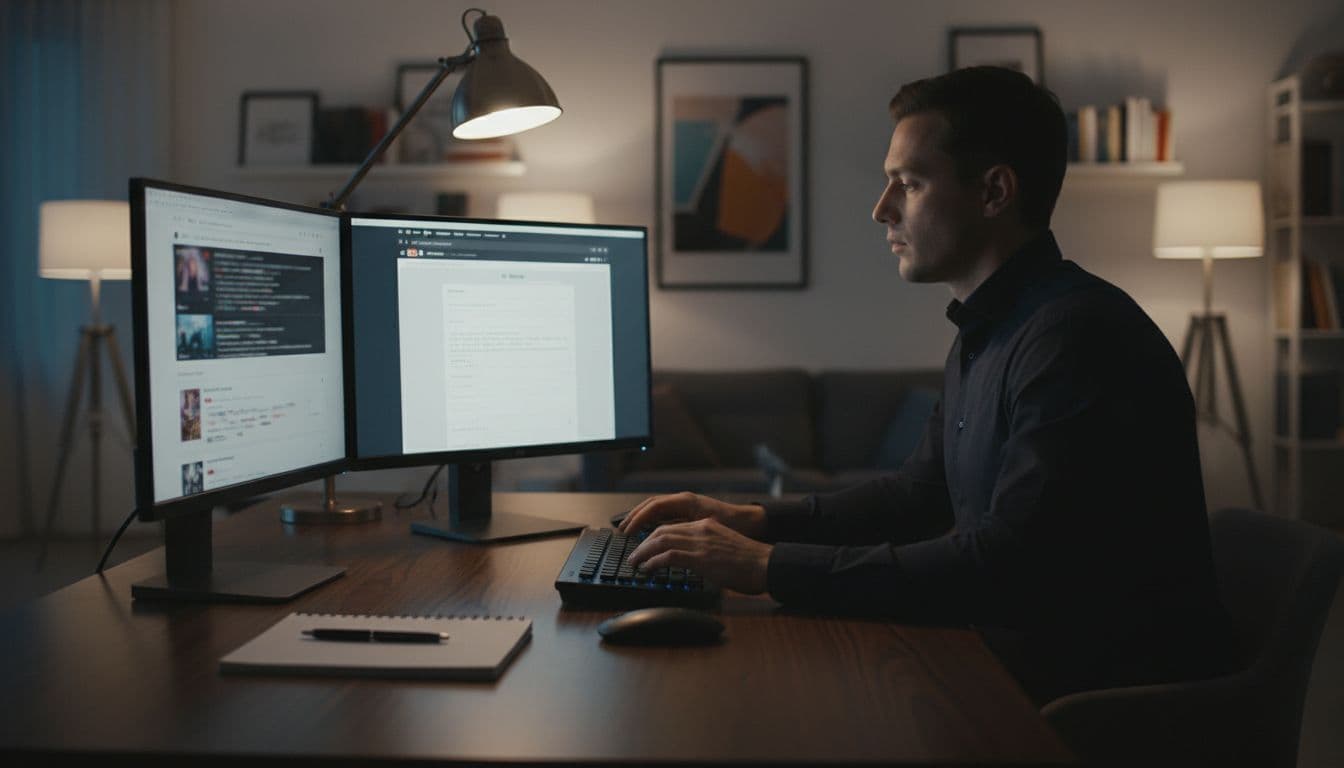
Use fast takedowns and keep a clear enforcement process
Once you find an illegal upload, act in a consistent way. Most platforms have reporting tools, and many accept DMCA notices or similar claims. Distributors can often help, especially when the issue appears on major services.
Keep a ready-to-use system. Save ownership proof, screenshots, URLs, release dates, and templates for notices in one folder. That way, anyone on your team can respond without wasting time.
Some links disappear after one request. Others come back again and again. When the same source keeps reposting your work, you may need stronger action through a rights team or attorney. Still, most cases improve when you remove copies early and keep doing it.
Conclusion
Stopping piracy in music isn’t about one perfect fix. The strongest approach is consistency: prepare your rights before release, make legal listening easy, and watch for leaks as soon as the music goes live.
Some illegal copies will still slip through. Yet steady action can reduce the damage, protect income, and help artists keep control of their work while they grow their audience.

- THE RECONCILIATION OF UPPER SOKPONBA AXIS MUSICIANS - July 15, 2026
- testt - April 29, 2026